How prosecutors say DNA technology cracked the Theresa Fusco cold case
The Fusco case is just one of several Nassau County cold cases recently revived by DNA breakthroughs.
More Stories
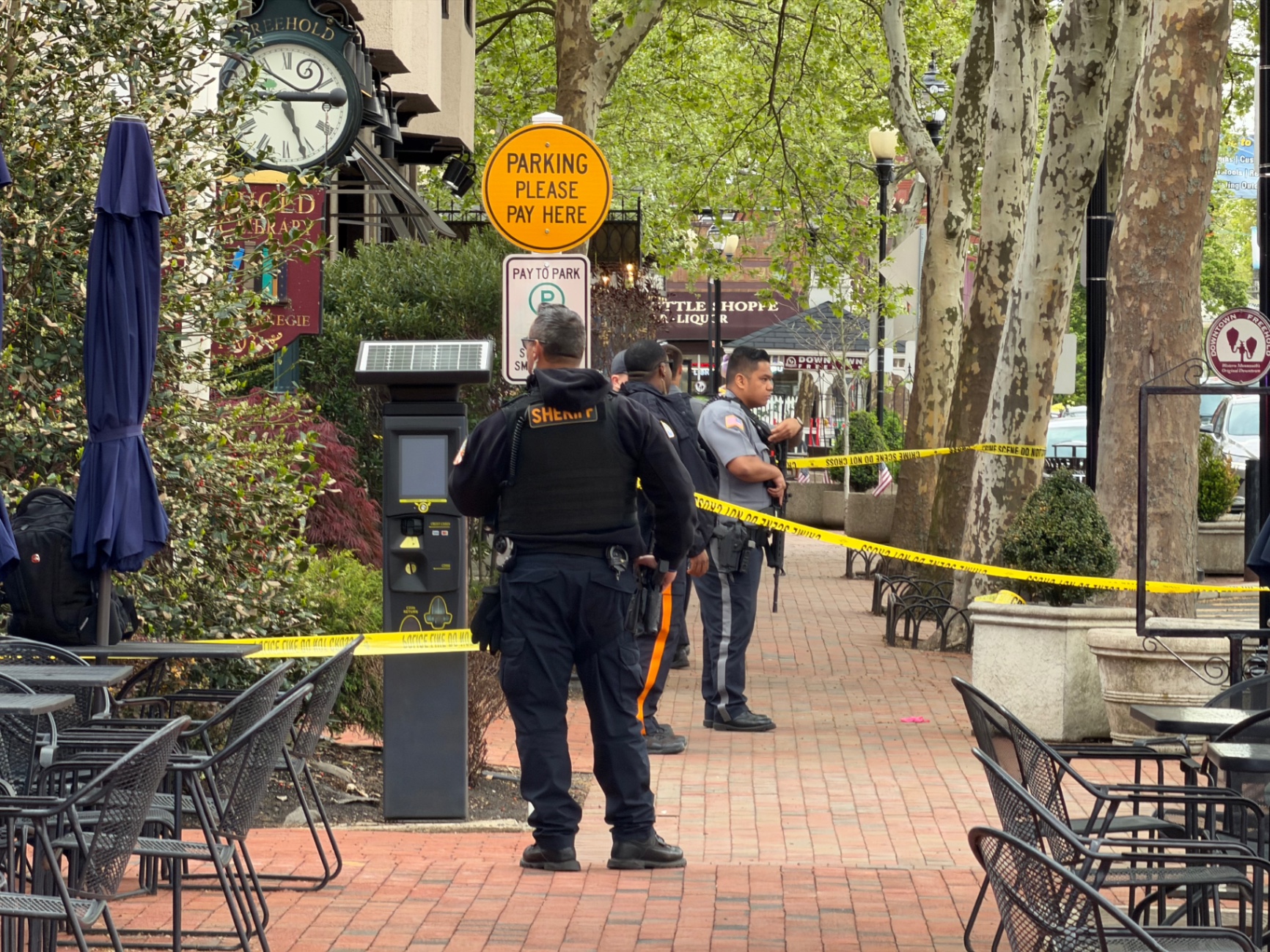
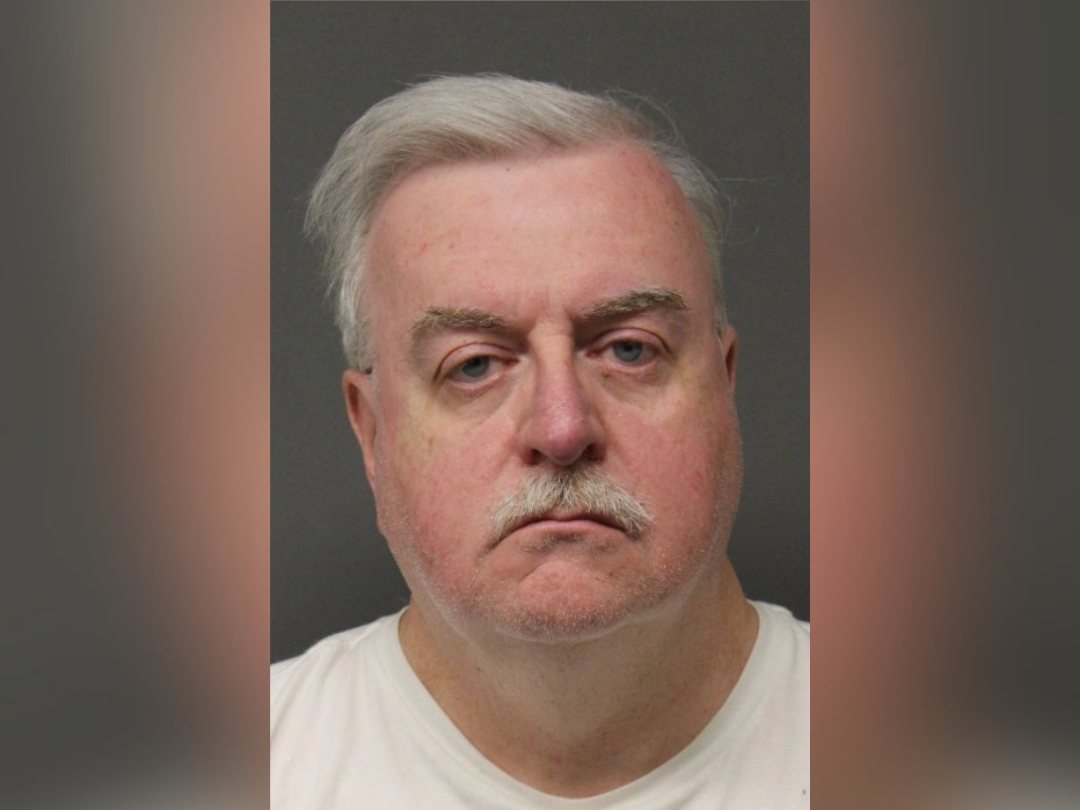

More than four decades after 16-year-old Theresa Fusco was murdered in Lynbrook, prosecutors say they’ve finally identified her killer — thanks to advances in DNA technology.
Nassau County District Attorney Anne Donnelly announced that DNA evidence collected at the time of the 1984 crime has now led investigators to a new suspect: Richard Bilodeau. The link was made after DNA from a discarded smoothie straw was compared to genetic material recovered from the original crime scene.
"In 2025, DNA science and analysis is more advanced than it's ever been,” said Donnelly.
The case has a complex and painful history. In 2003, after DNA technology began gaining traction in criminal investigations, three men who had spent 17 years in prison for Fusco’s murder were exonerated when physical evidence cleared them of the crime. That same evidence, preserved for more than 40 years, has now pointed to Bilodeau, prosecutors say.
Authorities say Bilodeau became a suspect after investigators retrieved the smoothie cup he threw in the trash — a method similar to how DNA was collected from a discarded pizza crust in the Gilgo Beach serial killer case involving suspect Rex Heuermann.
The Fusco case is just one of several Nassau County cold cases recently revived by DNA breakthroughs. Just two weeks ago, officials used investigative genealogy to identify the remains of Susan Mann, who was found dead in a Freeport dumpster in 1982.
“It’s a similar way of doing things,” said David Sarni, a professor at John Jay College of Criminal Justice. “We have forensic genealogy going on, we have new advancements in DNA analysis — these are things that are going to get these cold cases.”
According to the Nassau County District Attorney’s Office, genetic genealogy has helped identify five suspects or victims over the last five years.