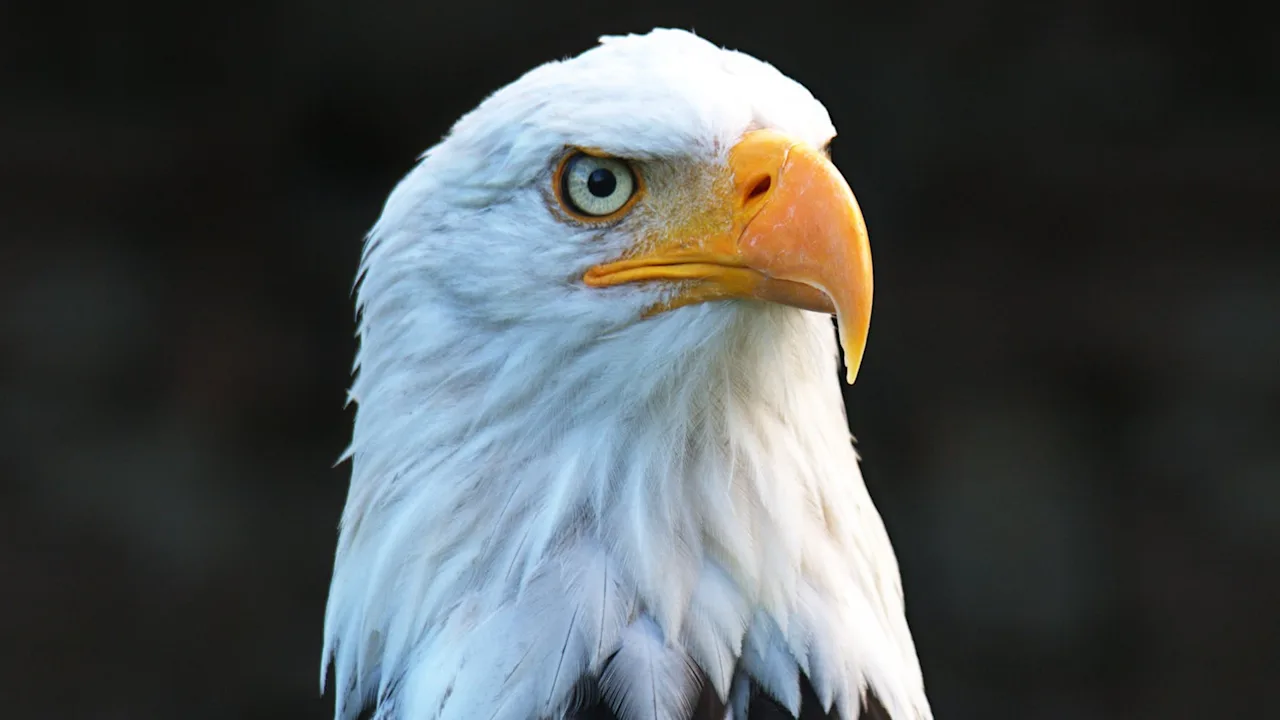
New Jersey plans to drop the bald eagle from its endangered species list
The turnaround stems from the work of volunteers and state professionals who nurtured hatchlings, guarded nests and educated the public.
More Stories


New Jersey proposed Monday removing the bald eagle from its endangered species list, citing a rebound since more than four decades ago, when a single nesting pair in a remote county were the only of its kind in the state.
The turnaround stems from the work of volunteers and state professionals who nurtured hatchlings, guarded nests and educated the public, state environmental Commissioner Shawn LaTourette said in a statement. The proposed rule to delist the bald eagle as endangered includes the osprey, which was considered threatened, as well.
The proposal means the bald eagle, a national symbol of the United States, and the osprey have recovered to the point where the survival of those species is no longer in jeopardy, according to the department.
RELATED: Baby bald eagle hatches at Hillsborough’s Duke Farms
RELATED: State’s bald eagle population swells thanks to conservation efforts
“The de-listing of eagles and ospreys is a milestone in the history of wildlife conservation in New Jersey," LaTourette said.
The federal government removed the bald eagle from its list of endangered species in 2007. New Jersey kept the bird on its state list because of disturbances to nests and habitat threats.
The use of the insecticide DDT, as well as habitat destruction, played a significant role in the birds' decline. The chemical had “lasting impacts on the food chain” because it was ingested by the fish the eagles and ospreys ate, making the shells of eggs too thin. It was banned for general use in 1972.
As of 2023, there were 267 nesting pairs of bald eagles in every county in New Jersey. That was up from a single pair in southern Cumberland County in the early 1980s, according to the department.
MORE: Duke Farm's Eagle Cam
New Jersey began trying to reverse the decline in the early 1980s by bringing in eagles from Canada, along with artificial incubation and fostering efforts, the department said.
Osprey, sometimes called fish hawks, are typically found along shorelines. They, too, were greatly affected by DDT, with the number of osprey nests falling to about 50 five decades ago. In 2023, the state documented a record 800 occupied osprey nests.
The proposed rule is open for public comment until Aug. 2.