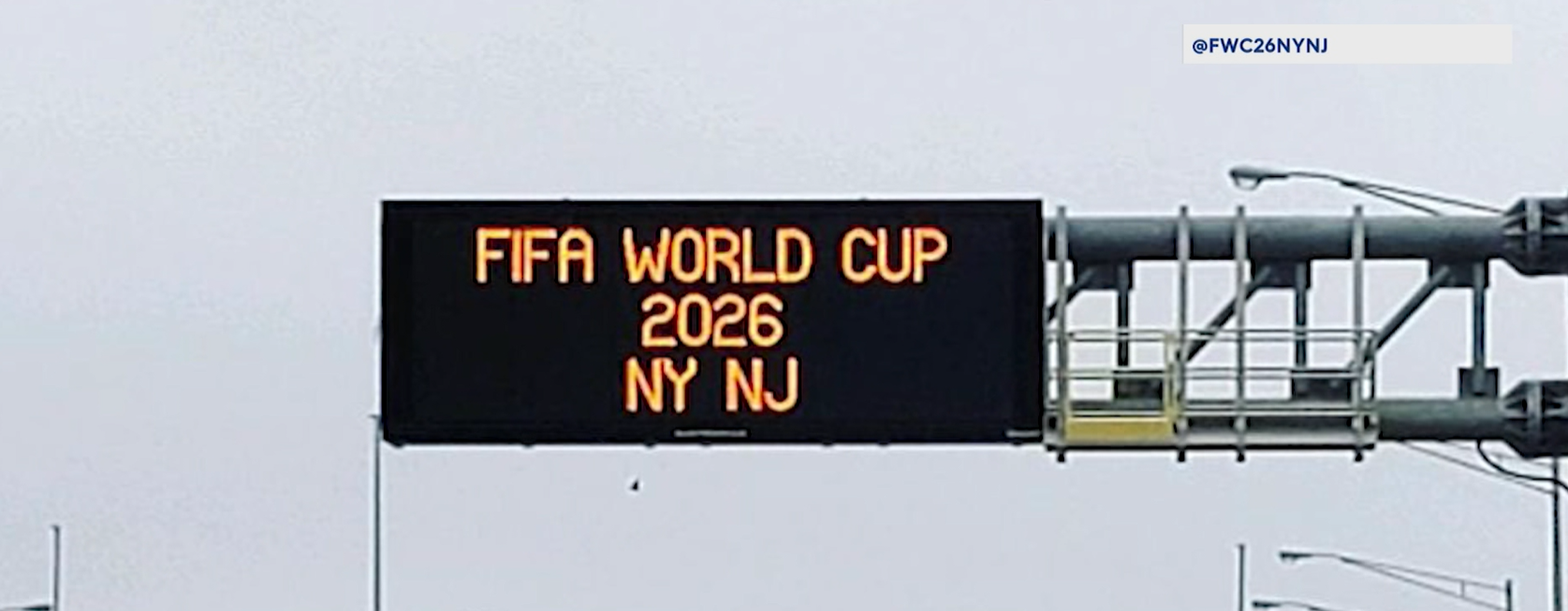
New Jersey launches online hub to protect workers and assist businesses ahead of FIFA World Cup
State officials anticipate an unprecedented wave of economic activity, generating massive labor demands across the hospitality, restaurant, hotel, and transportation sectors.
More Stories


As New Jersey prepares to take center stage on the global sports map by hosting the FIFA World Cup, the state is rolling out new digital resources to handle the massive economic surge.
The New Jersey Department of Labor and Workforce Development announced the launch of a comprehensive new website designed to help both workers and businesses navigate state labor laws during the upcoming tournament.
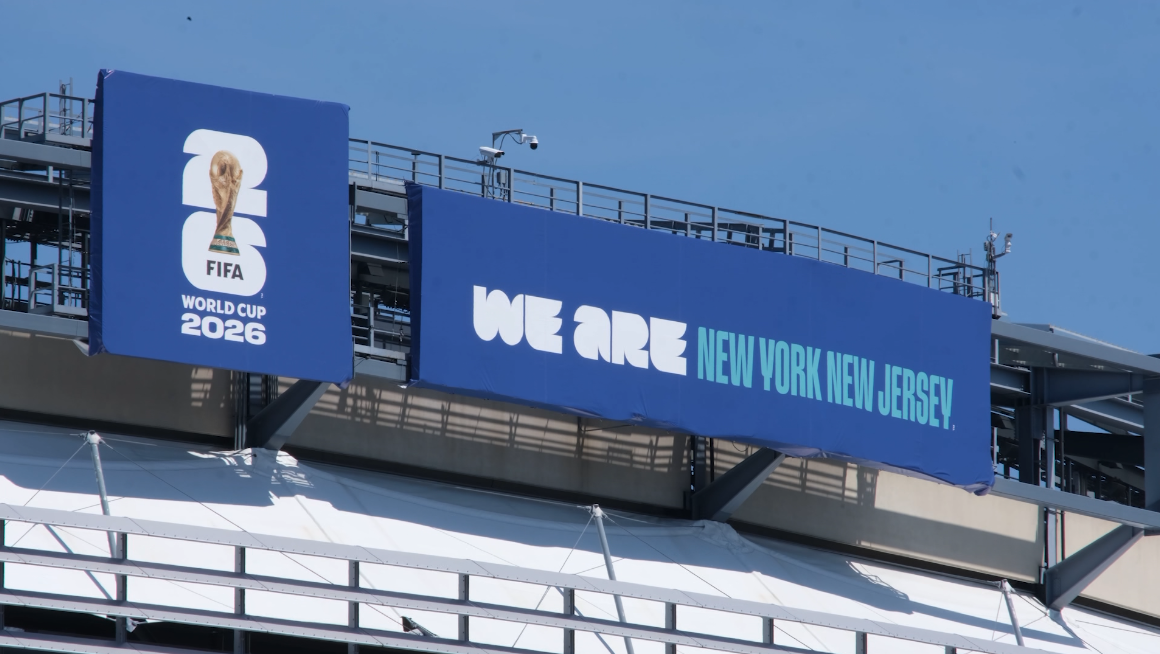
The historic event will bring 48 nations to North America from June 13 through July 19. New Jersey will host eight matches, culminating in the highly anticipated World Cup Final on Sunday, July 19, at MetLife Stadium in East Rutherford.
State officials anticipate an unprecedented wave of economic activity, generating massive labor demands across the hospitality, restaurant, hotel and transportation sectors.
The newly launched digital hub is designed to be a one-stop shop for tournament compliance and worker rights.
For employers, the site provides explicit guidance on wage and hour laws, proper worker classification, business registration, and general compliance requirements to help vendors avoid costly violations. For workers and volunteers, the platform outlines essential rights regarding minimum wage, overtime, and workplace protections, while offering a streamlined process to file complaints if violations occur.
“These games are an exciting moment for New Jersey’s economy and our communities,” said NJDOL Acting Commissioner Kevin D. Jarvis. “We want to ensure that businesses and workers alike have easy access to the information and support they need to make this a successful experience for everyone. When labor laws are followed, everybody wins.”
The NYNJ FIFA World Cup 2026 Host Committee has partnered directly with the state to promote the safety and equity of the workforce driving the event operations, from stadium staff to local Fan Zone vendors.
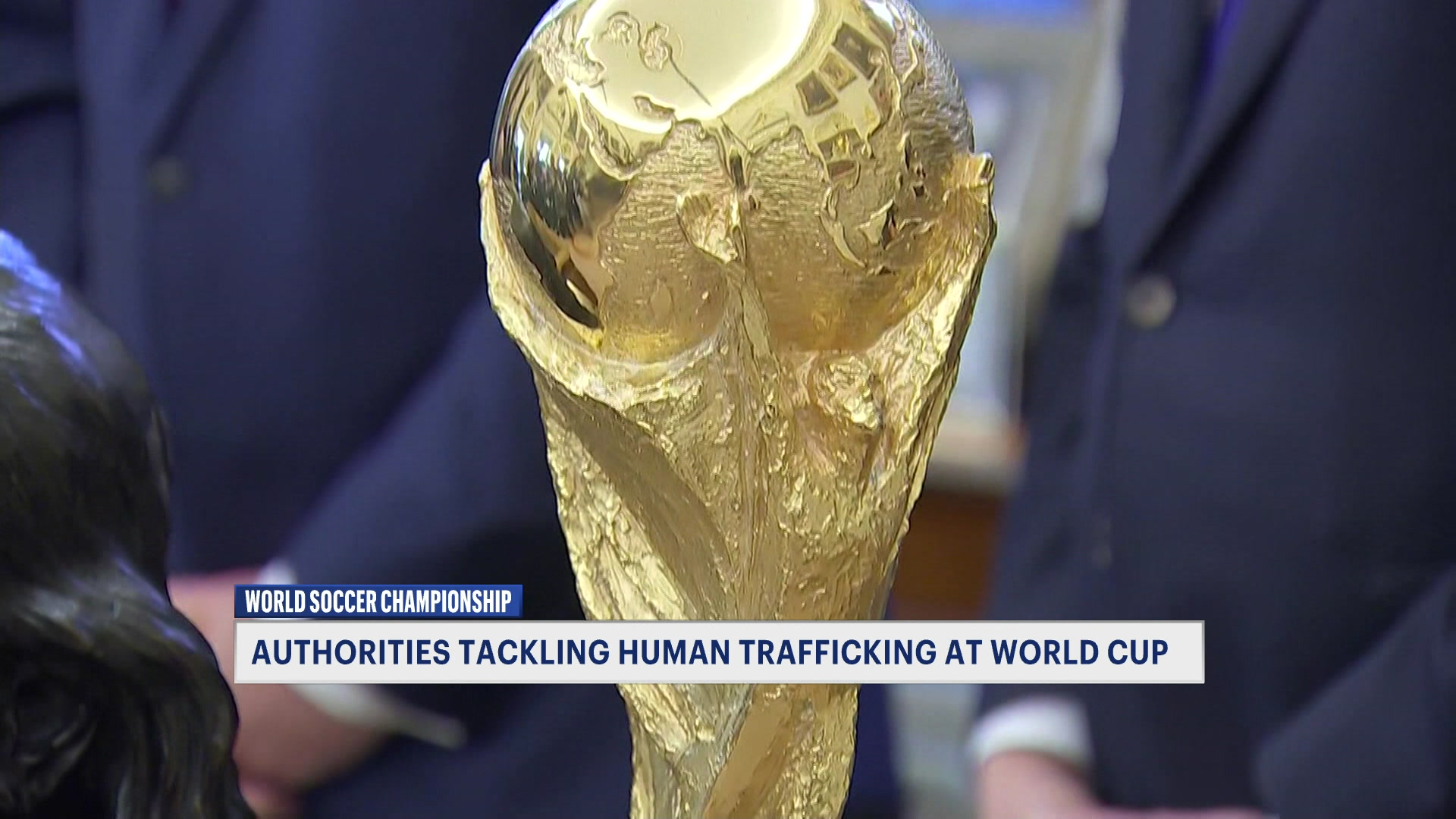
The state’s preparations extend beyond standard labor disputes. The NJDOL, alongside partners in the New Jersey Attorney General’s Office, announced they are actively monitoring the region for indicators of human trafficking, a criminal exploitation that historically sees increased risk during large-scale international sporting events.
Authorities are urging businesses and community members to remain vigilant against any signs of forced labor or coercion during the tournament window.