Health officials urge caution as cases of tick-borne 'red meat allergy' persist
As many as 450,000 people may be affected nationwide, the CDC says.
More Stories




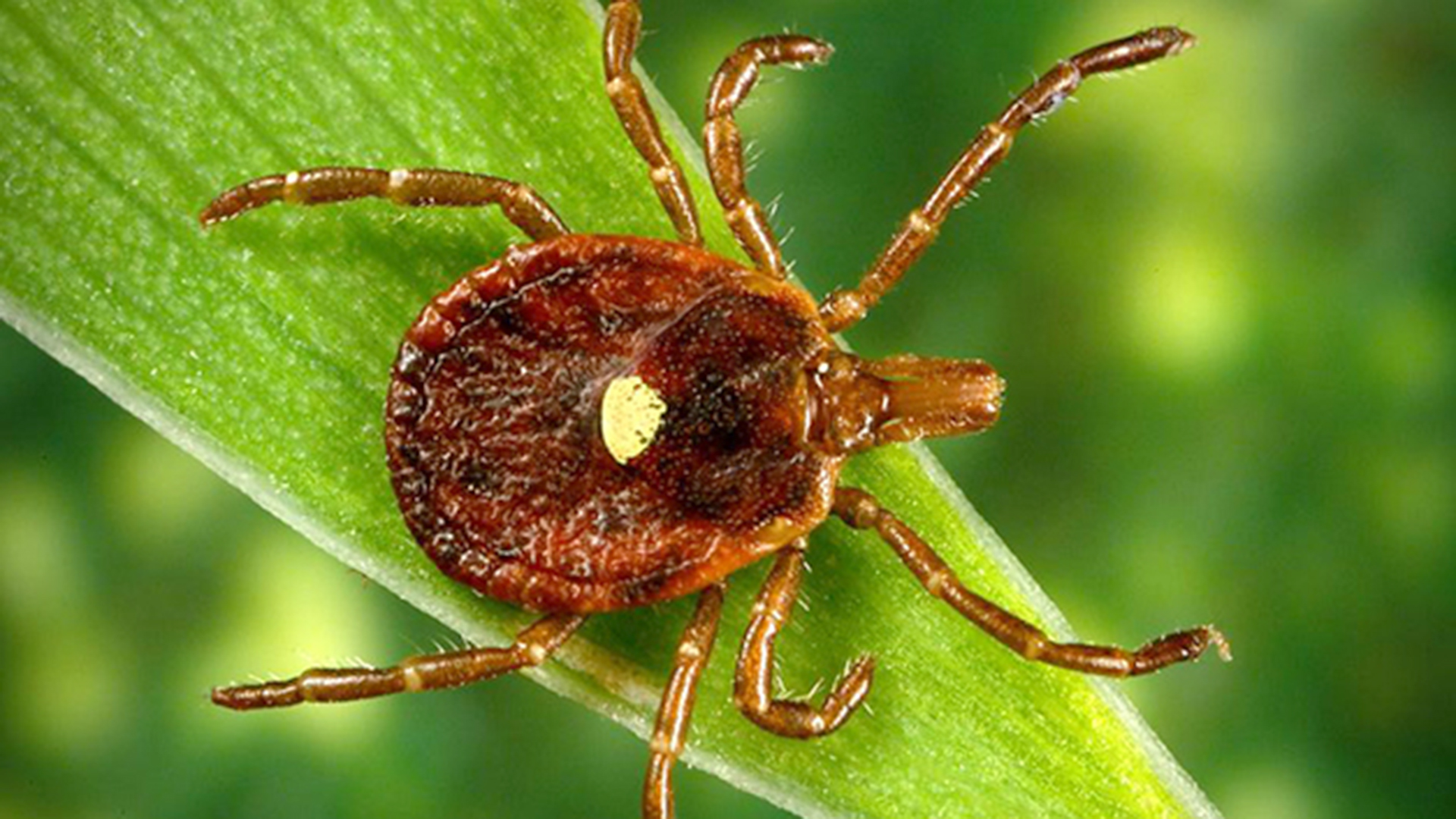
Princeton health officials say cases of a tick-borne illness that can lead to a red meat allergy continue to be reported in New Jersey.
The Princeton Health Department issued a notice reminding residents to take precautions against tick bites. Officials say cases of alpha-gal syndrome, also known as “red meat allergy,” are still being reported in the state.
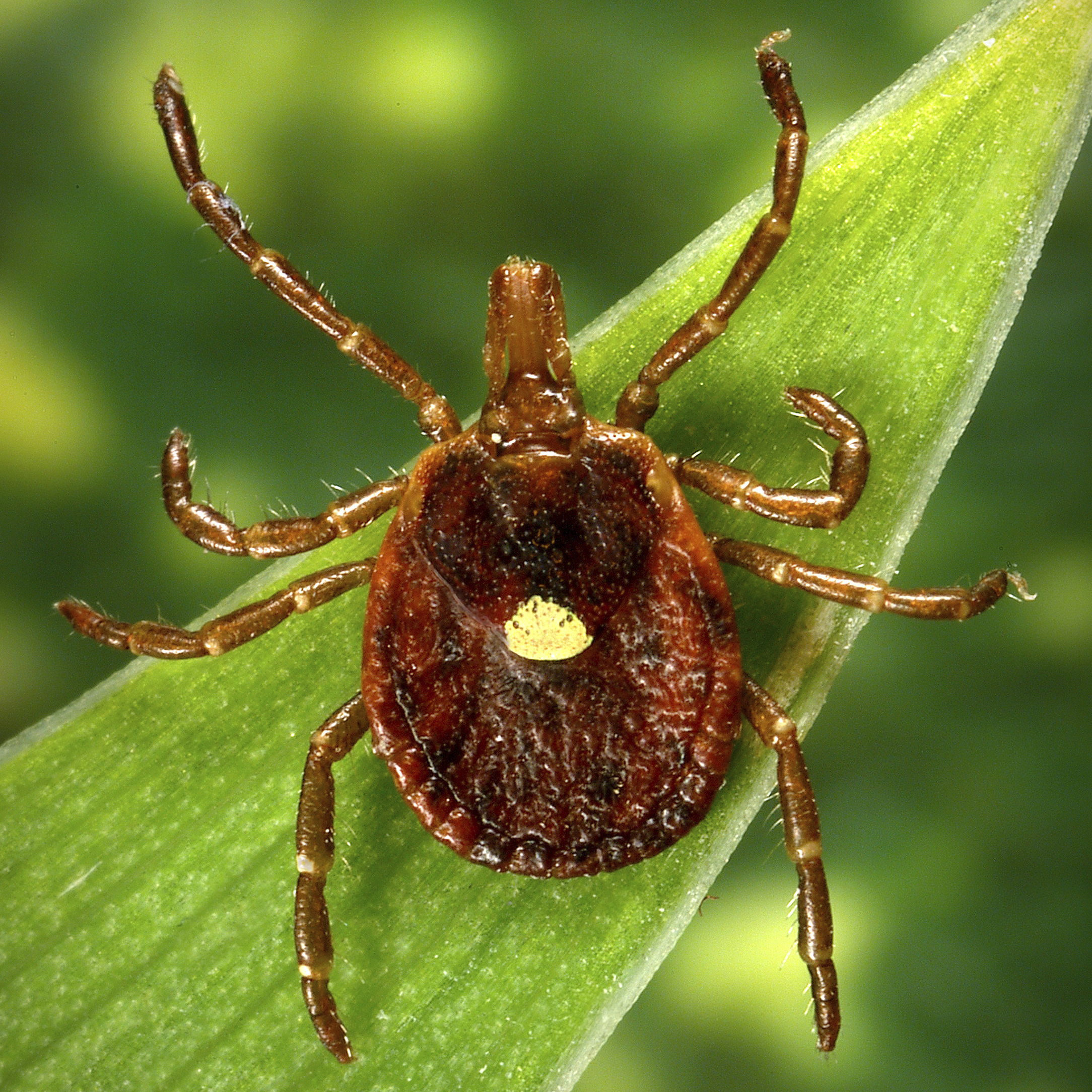
“Alpha-gal syndrome is a serious allergic condition that can develop after the bite of certain ticks, particularly the lone star tick. It is caused by an immune reaction to alpha-gal, a sugar molecule found in most mammals,” health officials said.
People who develop the condition may experience allergic reactions — sometimes severe — after eating meat such as beef, pork, lamb and venison. Unlike most food allergies that happen immediately after consumption, people with AGS may experience symptoms several hours after eating. Symptoms can include stomach pain, hives, nausea, swelling and shortness of breath. In more severe cases, anaphylaxis may occur.
“Symptoms can range from mild to life-threatening and may not appear until weeks or months after a tick bite,” the health department said.
According to the Centers for Disease Control and Prevention, some people affected by the red meat allergy may also be advised by health care professionals to avoid dairy and certain medications.
Officials urge people to take steps to avoid tick bites, such as using EPA-approved insect repellents and wearing protective clothing that covers exposed skin. The health department also advises people to avoid tall grass and check for ticks after spending time outdoors.
The CDC says more than 110,000 cases of alpha-gal syndrome were identified between 2010 and 2022, but cases are not nationally identified to the CDC. That means the actual number of cases is not known, though the CDC says as many as 450,000 people may be affected.