Plainfield WWII vet whose remains were ID’ed after 80 years, laid to rest
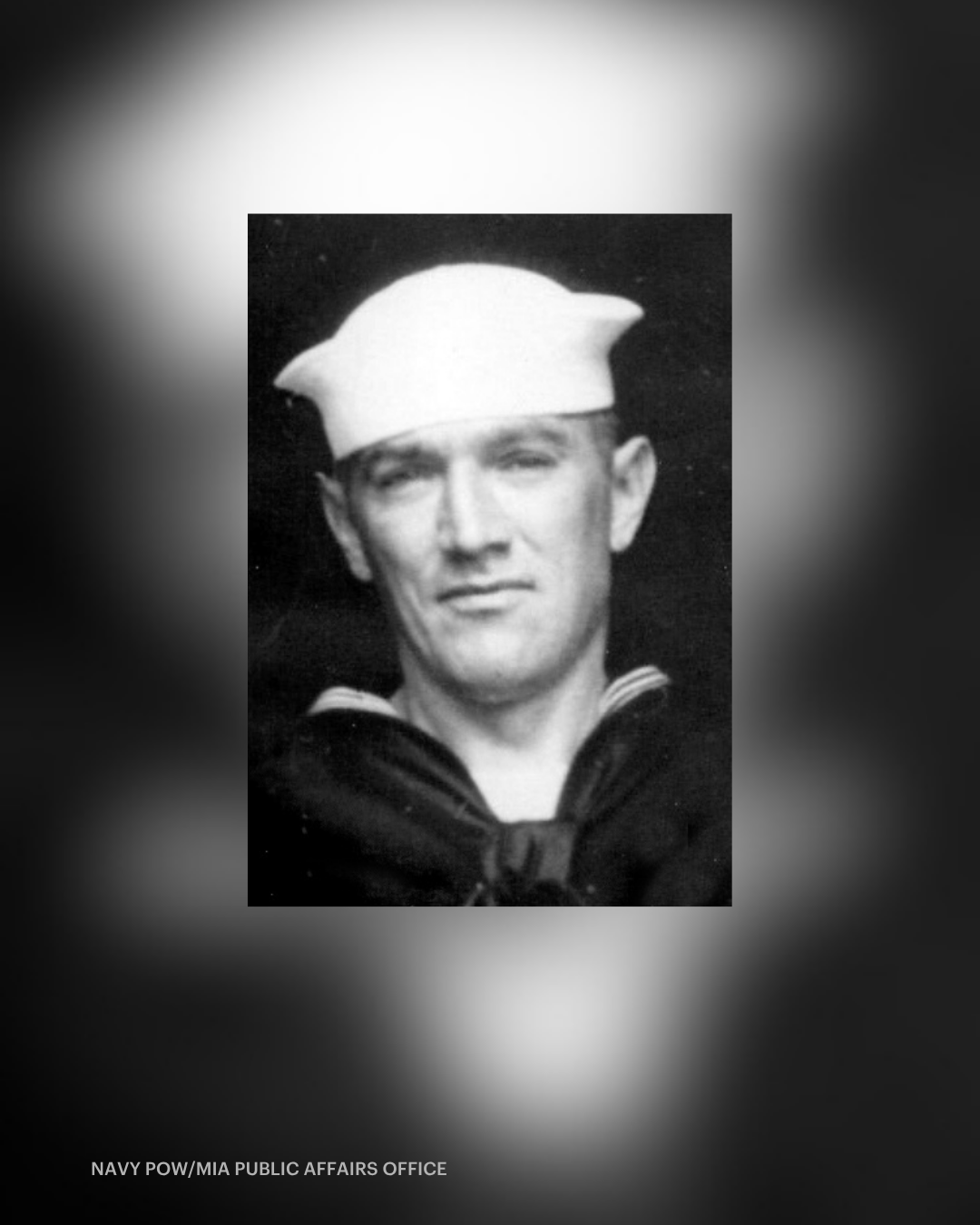
The Defense POW/MIA Accounting Agency announced that the remains of Chief Electrician’s Mate John Judson Campbell were identified on Aug. 9, 2024.
Top Stories


A World War II sailor from Plainfield who died in a Japanese prisoner-of-war camp is finally home. John Campbell, a chief electrician’s mate in the U.S. Navy, was laid to rest Monday with full military honors at Hillside Cemetery in Scotch Plains.
"I'm very honored that they would pay such fine respects to my uncle. It sets New Jersey apart from everything else. Y'all have done a wonderful job here," said Edward Campbell, CEM Campbell's nephew.
"It's been more than 80 years, but we're able to give the family the closure that they deserve," said Rear Admiral Mike Brown.
"His mother, Margaret, who died in 1951, she had her own tombstone not just with her name on it but with her son's name on it, having faith that one day he would be identified and accounted for."
The Defense POW/MIA Accounting Agency announced that the remains of Chief Electrician’s Mate John Judson Campbell were identified on Aug. 9, 2024.
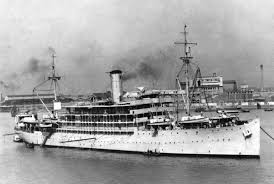
Campbell served aboard the USS Canopus when Japanese forces attacked U.S. positions in the Philippines following the Dec. 7, 1941, attack on Pearl Harbor. The ship was stationed at Cavite Navy Yard and later moved to the Bataan Peninsula, where sailors supported damaged vessels and helped defend against Japanese advances.
After U.S. forces withdrew to Bataan and ultimately surrendered on April 9, 1942, Campbell and other service members were captured. Many were forced on the 65-mile Bataan Death March before being held at Camp Cabanatuan, a prisoner-of-war camp that held thousands of American troops.
Records show Campbell entered the camp hospital on Aug. 18, 1942, suffering from amebic dysentery. He died 10 days later and was buried in a common grave by fellow prisoners. By the time the camp was liberated in 1945, approximately 2,800 Americans had died there.
After the war, U.S. forces recovered remains from the camp, but Campbell’s could not be identified due to incomplete records and limited physical evidence.
As part of ongoing efforts to identify unknown remains, researchers requested the disinterment of remains associated with Campbell’s burial plot. The remains were exhumed from the Manila American Cemetery and Memorial in January 2019.
Officials later confirmed the remains belonged to Campbell, bringing closure to a case that dated back to the early months of World War II.