Measuring snowfall: How to be a part of weather history
It takes just a few minutes to add your neighborhood snow totals to the weather record books at the National Weather Service. Here's what you need to accurately measure and report snowfall after a storm. It's easy to do and you may already have all the materials you need.
More Stories


What is the National Weather Service (NWS)
The National Weather Service is the federal agency under NOAA that provides weather, water, and climate data, forecasts, and warnings across the country. There are 122 weather forecast offices across the country – delivering hyperlocal forecasts that protect life and property, aid in government decision making during storms and enhance the national economy. The office for the New York City Metropolitan area is located in Upton, NY near Brookhaven in Suffolk County. Much of New Jersey is served by the office in Mount Holly, and Ulster, Dutchess counties in the Hudson Valley, and Litchfield County in Connecticut are served by the National Weather Service in Albany, NY.
Why report snowfall to the NWS?
Reporting snow to the National Weather Service helps localize storm reports and validate the forecast. This is ultimately used not just for record keeping, but to validate forecast accuracy, improve on future storms and help issue life-saving warnings for dangerous conditions that might be missed by remote weather sensing. Official snow measurements in our area are reported at local major airports (this does not include Westchester County Airport). Snow totals can vary by several inches in just a few miles, so adding your own accurate reports greatly improves the ground-truth reporting during and after the storm.
How to Measure Snowfall
1. Use a snowboard
This can be something as simple as a white plastic cutting board. The National Weather Service standard is a 16"x16" white-painted wooden or plastic surface placed away from buildings and trees. If you don't have this, a grassy surface will suffice as long as it does not have previous snow cover on it.
2. Measurement method
Push a ruler straight down to the board. Measure to the nearest tenth of an inch (for example 1.25" of snow can be rounded up to 1.3" of snow. Do not measure 1.3" of snow as 1").
3. Frequency
Ideally, measure snow every six hours and clear the board each time. Add the total up after each round for the storm total measurement. Snow can often compact on itself after a period of time so this is the most accurate way to get a true measurement.
4. Account for snowdrifts
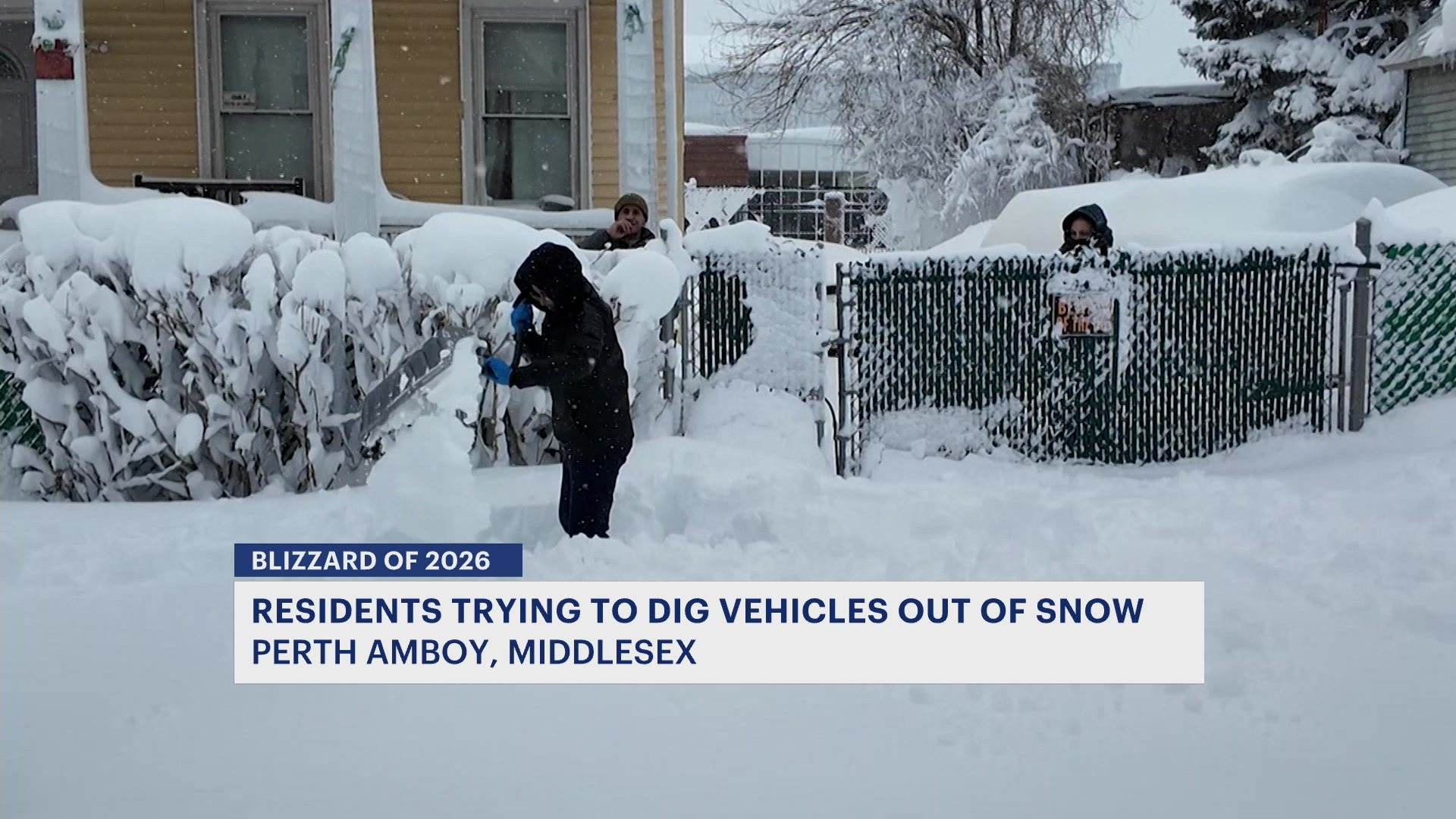
During blizzards, the snow can vary widely due to snowdrifts. In this case, it's best to get at least three measurements in an open field without drifts (a field that was previously without snow cover) and add up the average.
A few measurement notes:
Sleet pellets count as part of the overall snow.
A trace of snow is recorded if snow melts as it hits the board or if it's less than 0.1" of snow.
Snow depth vs. snowfall: The total snow depth is the total amount of snow on the ground (including old snow), while snowfall is only the newly fallen, un-melted snow.
Where to submit the reports?
Send your snow reports with your town to us at News 12 by following one of our meteorologists on social media or commenting on a post. To report directly to the National Weather Service, submit reports to the CoCoRaHS website or comment on social media to your local National Weather Service office. You can also give the National Weather Service a call or send them an email.
National Weather Service New York / Upton, NY
175 Brookhaven Avenue
Upton, NY 11973
631-924-0517
National Weather Service Philadelphia/Mt Holly
732 Woodlane Rd.
Mount Holly, NJ 08060
609-261-6600
National Weather Service Albany, NY
1400 Washington Avenue
Albany, NY 12222
518-626-7570