CT lawmakers move to limit ICE 'vigilantes.' Republicans call the bill 'anti-cop'
The Connecticut Senate approved sweeping new restrictions on federal immigration agents Tuesday evening. Critics claim it will do little to reign in ICE agents – but will hamper state and local police.
More Stories


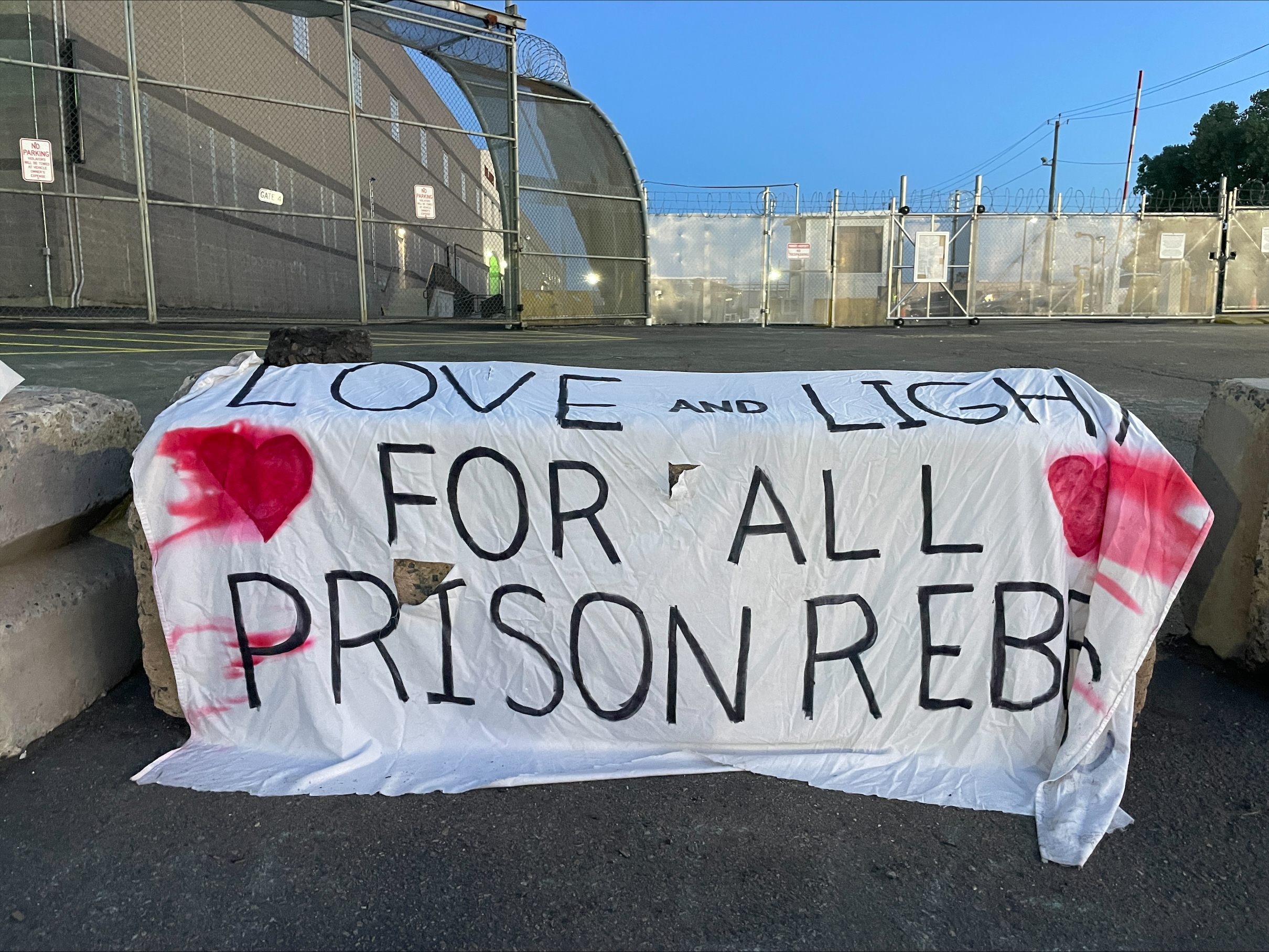
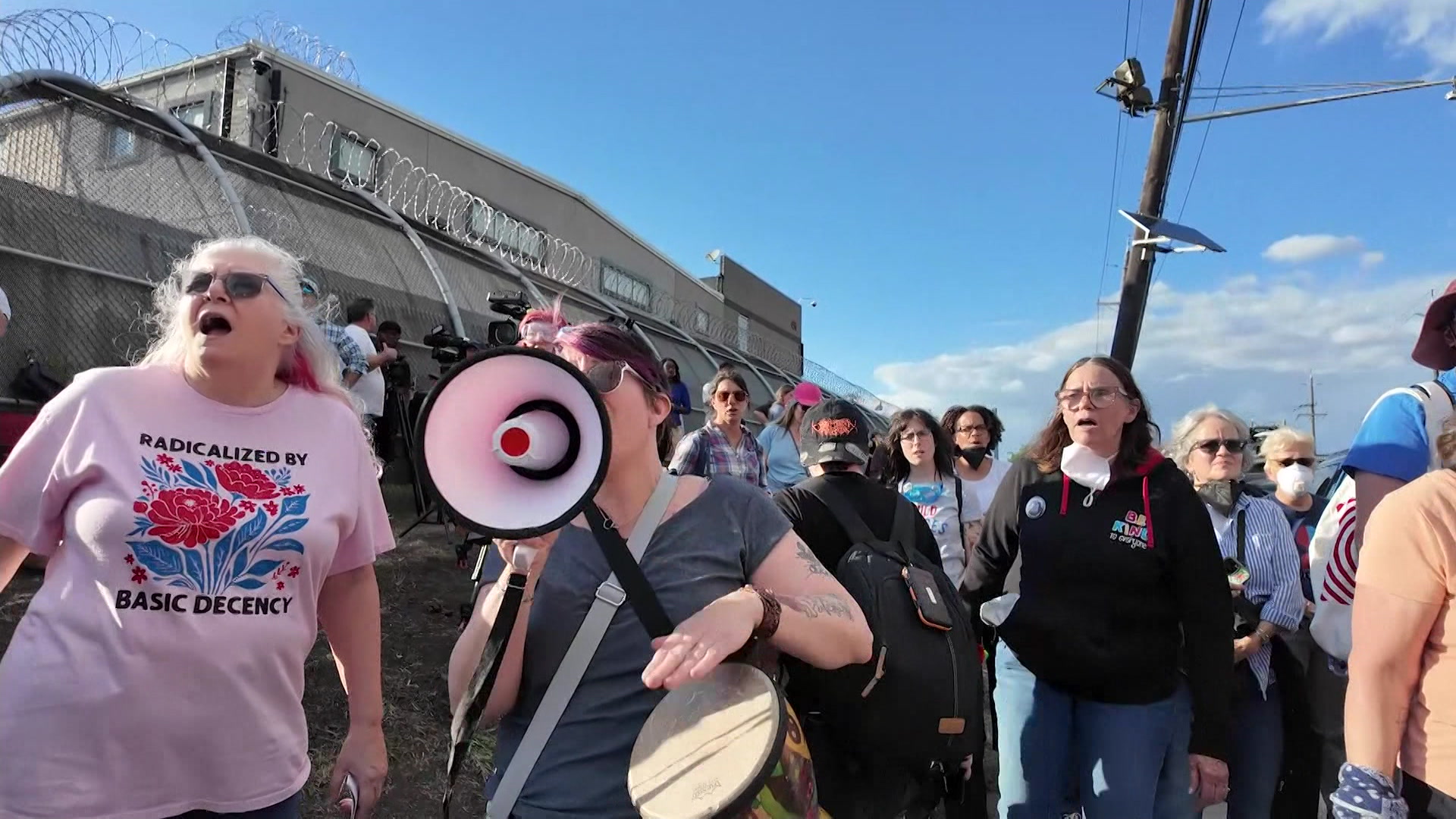


Legislation approved by the Connecticut Senate on Tuesday evening would force federal immigration agents to face sweeping new restrictions.
The bill passed on a party-line vote.
Democrats said the bill will protect people from "vigilantes," but Republicans said it's "anti-cop" and will never hold up in court.
PUSH TO LIMIT ICE
After federal immigration agents shot and killed two protesters in Minneapolis, some Connecticut lawmakers vowed to keep it from happening here.
“We’ve seen American citizens shot and killed for standing up for their rights,” said state Senate Majority Leader Bob Duff (D-Norwalk). “I don’t know if that’s ever been done in this building, where we had to have a law to protect residents of Connecticut from their own federal government.”
Under the bill, “protected spaces” like playgrounds, schools, churches and hospitals would be off limits – unless agents have a criminal warrant signed by a judge. Last week, ICE arrested a Cheshire High School senior based only on an administrative detainer – which a federal judge said was based on incorrect information.
“I don’t know what we’re doing in this country,” said state Sen. Gary Winfield (D-New Haven). “I don’t know what we’re doing, and I don’t really even understand why.”
The bill prohibits law enforcement from covering their faces – except in limited circumstances – and requires officers to wear a badge. If federal agents use deadly force, state authorities could access crime scenes and evidence. In Minnesota, the FBI and Department of Homeland Security kept state investigators out.
“ICE agents have been acting like vigilantes in Connecticut and elsewhere,” said state Senate President Martin Looney (D-New Haven).
Local and state police could not directly interfere with federal authorities under the bill. Instead, immigration agents who violate the rules could face lawsuits – or even a Class D misdemeanor charge, which carries up to a $250 fine and 30 days in jail. Connecticut state judges could also issue emergency injunctions, although it’s unclear whether federal law enforcement would comply.
Finally, police could not use license plate readers for immigration enforcement.
“ANTI-COP BILL”
Republicans argued that states like Connecticut can’t tell the federal government how to operate.
“When it comes to the federal law and federal agencies doing their duty, doing their actions, doing what the Congress has charged them to do, the states cannot enact laws to infringe upon that,” said state Sen. John Kissel (R-Enfield). “I certainly would bet dollars to doughnuts that as soon as it’s challenged in the federal courts, it will be struck down.”
Others argued that the new rules will only hamper state and local police.
“This is nothing more than an anti-cop bill,” said state Sen. Stephen Harding (R-Brookfield), the Connecticut Senate GOP leader. “It’s Constitutional Law 101. You cannot override the federal government. It’s that simple.”
State Sen. Rob Sampson (R-Wolcott) added: “I would call it a Trojan horse anti-police bill if I was going to characterize it to someone.”
But Democrats said they designed the legislation to be “as airtight as you can get.”
“We think that we are on solid ground in passing this,” Looney told reporters. “We know the federal Department of Justice has lost in a number of their lawsuits that they have brought.”
Connecticut already banned arrests around state courthouses in November. Since then, immigration arrests there have dropped dramatically. The new law came after federal agents arrested two men inside the Stamford courthouse parking garage.
“SANCTUARY POLICIES” LAWSUIT
The state is already facing a lawsuit.
The U.S. Department of Justice sued Connecticut on Monday over “sanctuary policies.” The lawsuit claims the Trust Act, which limits when police can cooperate with immigration enforcement, is unconstitutional.
“For years, Connecticut communities have paid the price of these misguided sanctuary policies,” said Assistant Attorney General Brett Shumate. “This lawsuit seeks to end such open defiance of federal law.”
Connecticut Attorney General William Tong vowed to fight the suit.
“The sovereign people of Connecticut have exercised our right to pass state laws like the Trust Act that prioritize public safety and ensure that all people can trust and rely on law enforcement to keep us safe,” Tong said in a statement. “Connecticut is not a ‘sanctuary’ state, whatever that means. This term is meaningless and has no basis in Connecticut law.”
WHAT’S NEXT?
The bill next heads to the Connecticut House of Representatives, where it is expected to pass.
Even though it goes farther than legislation Gov. Ned Lamont proposed, the governor supports it,
“At a time when communities across the country are raising serious concerns about federal immigration enforcement practices, this bill makes clear that Connecticut will not tolerate actions that undermine trust, public safety or access to essential institutions like schools, courts and places of care," Lamont spokesperson Cathryn Vaulman said.