Youth Homelessness: A Promise at Risk
A Turn To Tara investigation found that some of the people charged with making that happen weren't regularly showing up to task force meetings, alongside repeated turnover among council leaders and serious concerns about the deadline itself.


A promise at risk
Youth homelessness has reached record levels in New York. Yet, years before the numbers got this bad, state leaders made an extraordinary promise to children. In 2021, they passed the Child Poverty Reduction Act, a landmark law that pledged to cut child poverty in half in 10 years.
To help keep that promise, the state created a 17-member advisory council, bringing together some of New York's top policymakers, advocates and agency leaders. They were charged with building the roadmap to get there.
Five years later, with the clock now halfway to the deadline, the Turn To Tara team wanted to find out just how the people entrusted with that work were doing.
The team reviewed every public meeting held since the council was created, analyzed years of attendance records and tracked who was showing up - and who wasn't.
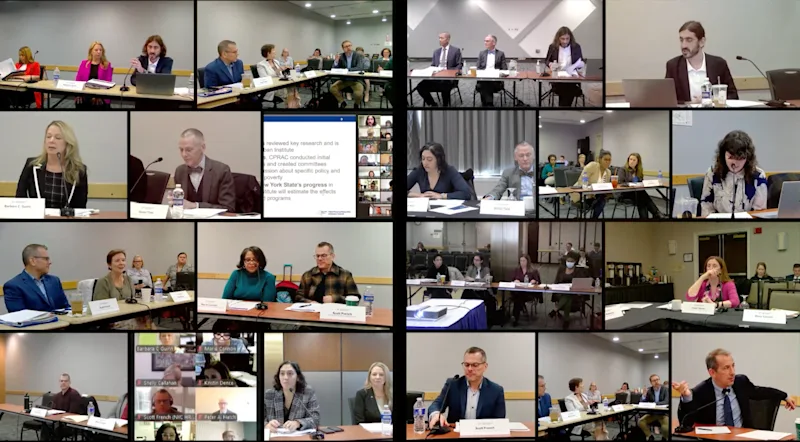
We found a council with significant turnover and sharply different levels of participation. While many members attended a majority of the meetings, some only attended about half - and in some cases, top officials barely showed up.
Jihoon Kim, then deputy secretary for Human Services and Mental Hygiene, was named co-chair when the council first met in October 2022.
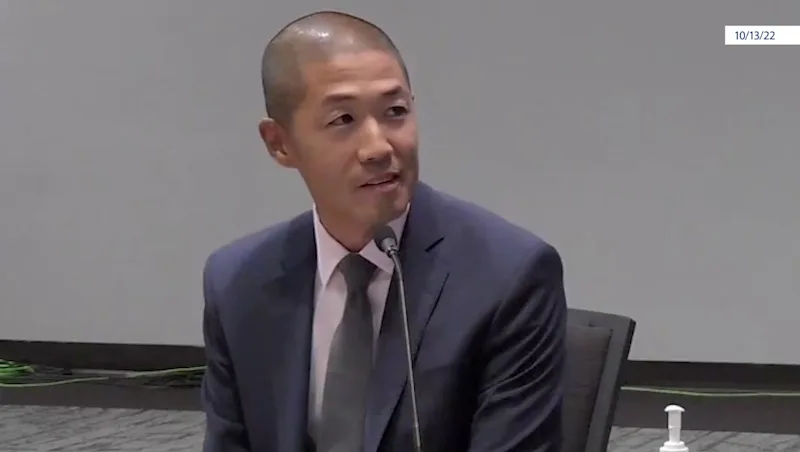
Kim attended just one meeting after the initial one, before missing the next five, sending a representative in his place each time. One year later, that same representative was named his successor as co-chair.
The Turn To Tara team reached out to Kim to find out why he stopped attending meetings, but he did not respond.
The state pointed the team to the council's bylaws, which allow certain members to send designees to meetings and vote in their place.
The Turn To Tara team then reached out to every other former and current member of the advisory council - 27 people in all - inviting them to talk about their work and our findings.
Three agreed to sit down with us.
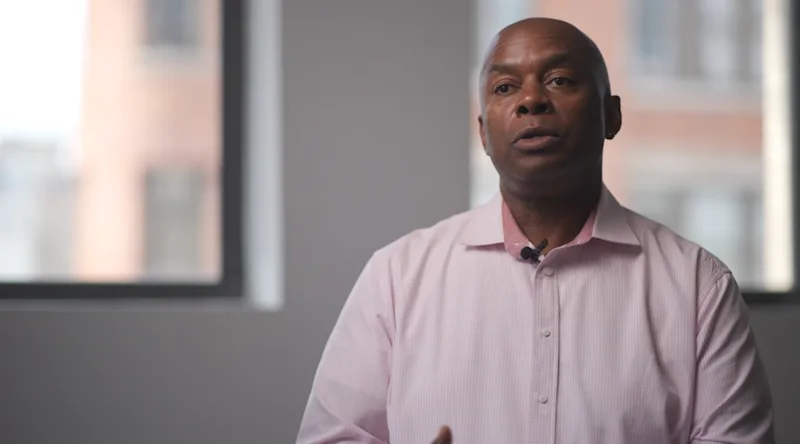
Richard Buery is the CEO of the Robin Hood Foundation, one of the largest anti-poverty organizations in the country. He is also a member of the council.
While the Turn To Tara team found that he took part in 12 out of 18 meetings, Buery said attendance alone does not tell the whole story, noting that much of the council's work happens outside its public meetings.
"Things happen in people's lives where you can't make a meeting, but...not all of the engagement, of course, happens in public meetings. We're engaging, we're debating, we're reviewing, so I've experienced a high level of engagement," he says.
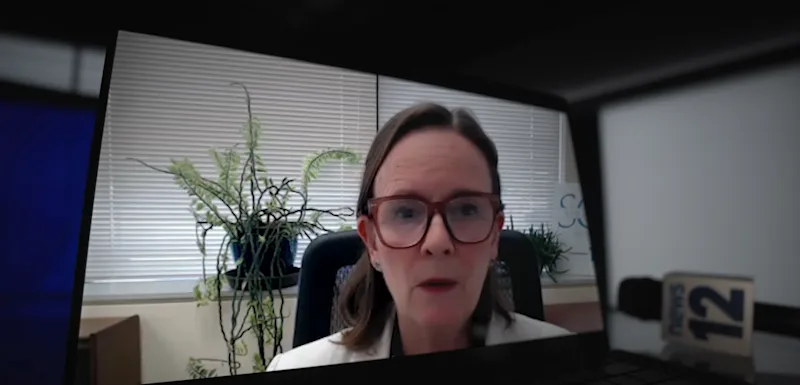
Kate Breslin offered a similar view.
She is president and CEO of the Schuyler Center for Analysis and Advocacy, the organization that helped champion the Child Poverty Reduction Act. Breslin has served on the advisory council since it was created, attending 17 of the council's 18 meetings.
"I have found that we have pretty good attendance," she says. "People show up in different ways. Some people don't always come to the meeting, but they are engaged in other ways."
Our investigation also found frequent turnover. Since the council's creation in 2022, it has operated under five different chairs or co-chairs, while three members attended a single meeting and never returned.
Buery says real progress has been made, like helping shape major initiatives, like universal school meals and an expanded child tax credit, "which has essentially more than tripled the child tax credit for children under the age of 4, and when fully phased in, will almost double it for school-aged children. And we think that alone will reduce child poverty by almost 9%."
But closing the gap between 9% and the 50% promised, he admits, won't be easy - and may not happen at all.
"If we are continuing to find the policy pressures from the federal government, the ability of the state to push in the other direction is going to be limited. I am confident that we will not be able to solve that problem if we don't have a willing and able partner in the federal government. It's like a salmon swimming up a river. I don't have confidence in our ability to overcome those federal pressures," he says.
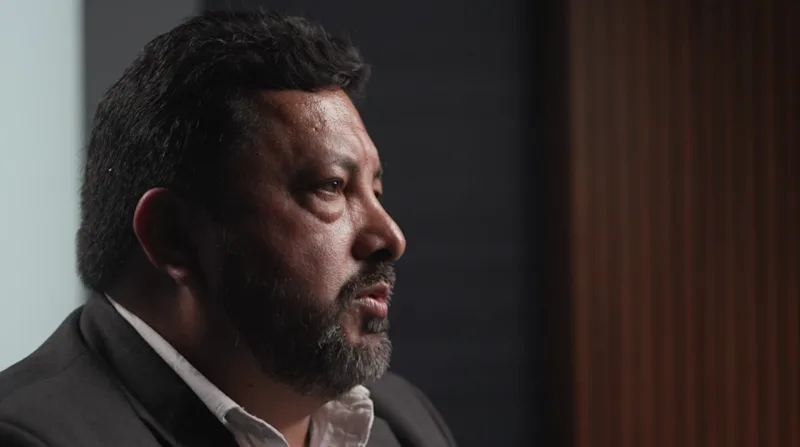
Juan Diaz, Children's Defense Fund NY's policy manager who joined the council this year, pointed to estimates showing the policies already enacted could make a significant dent.
"The reforms that have been enacted and passed and funded are estimated probably between 10% to 18%," he says.
But for the people working with homeless youth every day, some say the pace of progress still feels too slow.
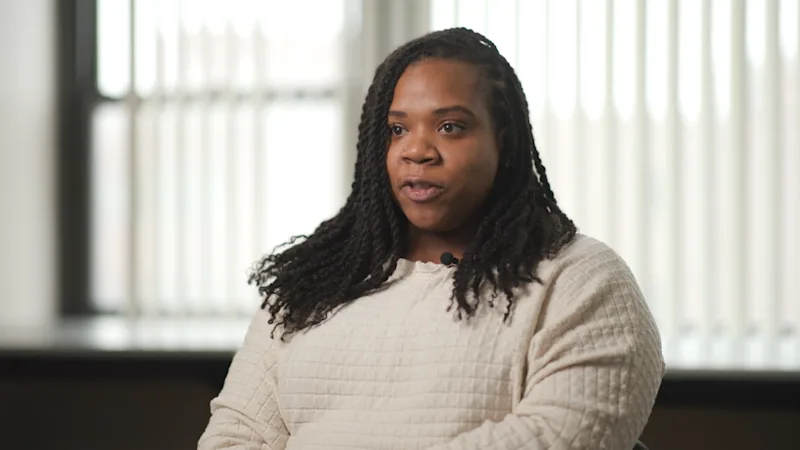
"Every moment that we are going back and forth about these conversations and making cuts to certain programs or determining what programs get funding and what do not, there are children and families that are suffering," said Angel Gray, program and policy director of the Westchester Children's Association. "We have to be mindful that while we are saying, 'OK, let's adjourn this meeting for today,' a family is going home to resources they no longer have, or a parent is going home not knowing what tomorrow will look like."
"My message to people who feel like progress is slow is that you are right. Progress is slow, but that's different from saying progress is impossible," says Buery.
Still, advocates emphasize the gap between policy and reality.
As Breslin noted, "We don't always see the action on the ground as quickly as we'd like to, and so in addition to the policies that have been passed, we actually have to make sure that things are being implemented in a way that really gets to where people are."
"Every level of government needs to step up and do a better job," says New York State Comptroller Top DiNapoli.
It started with an email
That sobering warning from Comptroller DiNapoli mirrors the very spark that launched this investigation.
It started with an email.
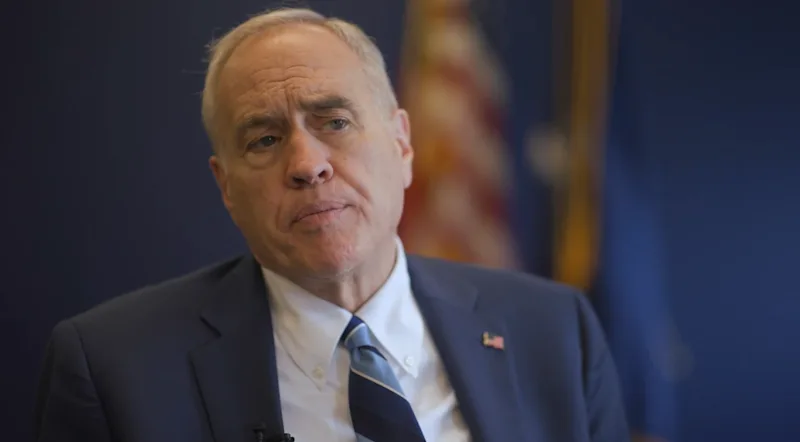
Tucked away in a little-noticed report last year from State Comptroller Tom DiNapoli was a troubling finding regarding just how much of New York’s homelessness crisis is now a crisis of children.
"About 32% of the homeless are children," said DiNapoli. "That's a concerning statistic right there."
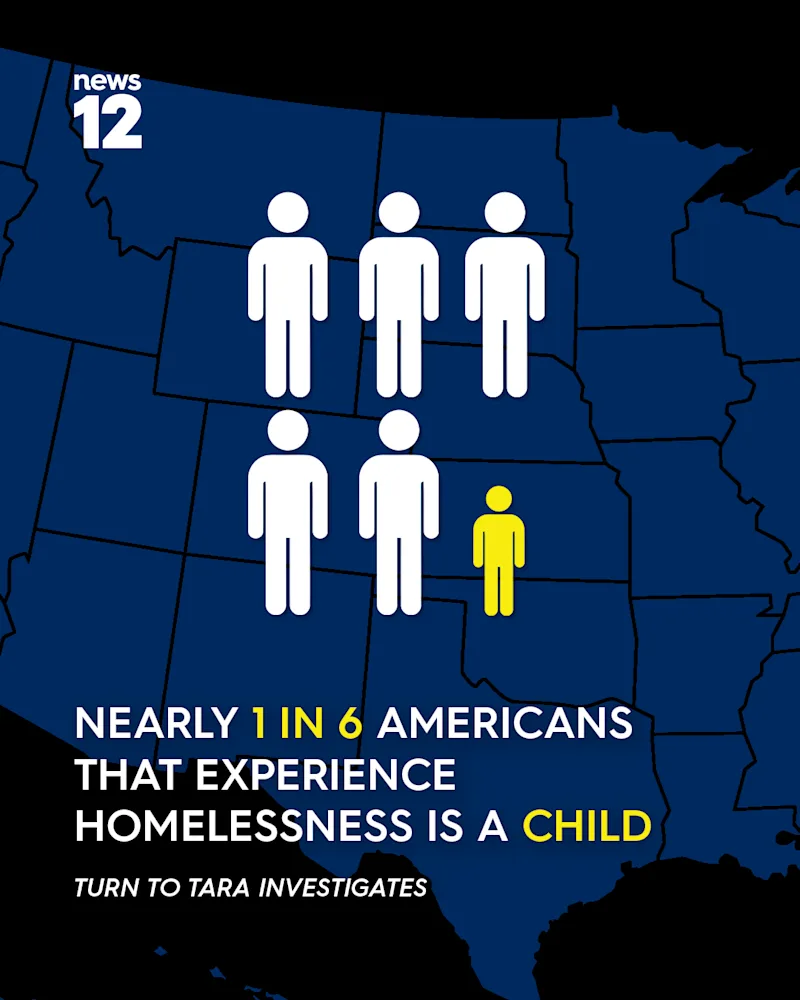
That means one in three people experiencing homelessness in New York is under 18.
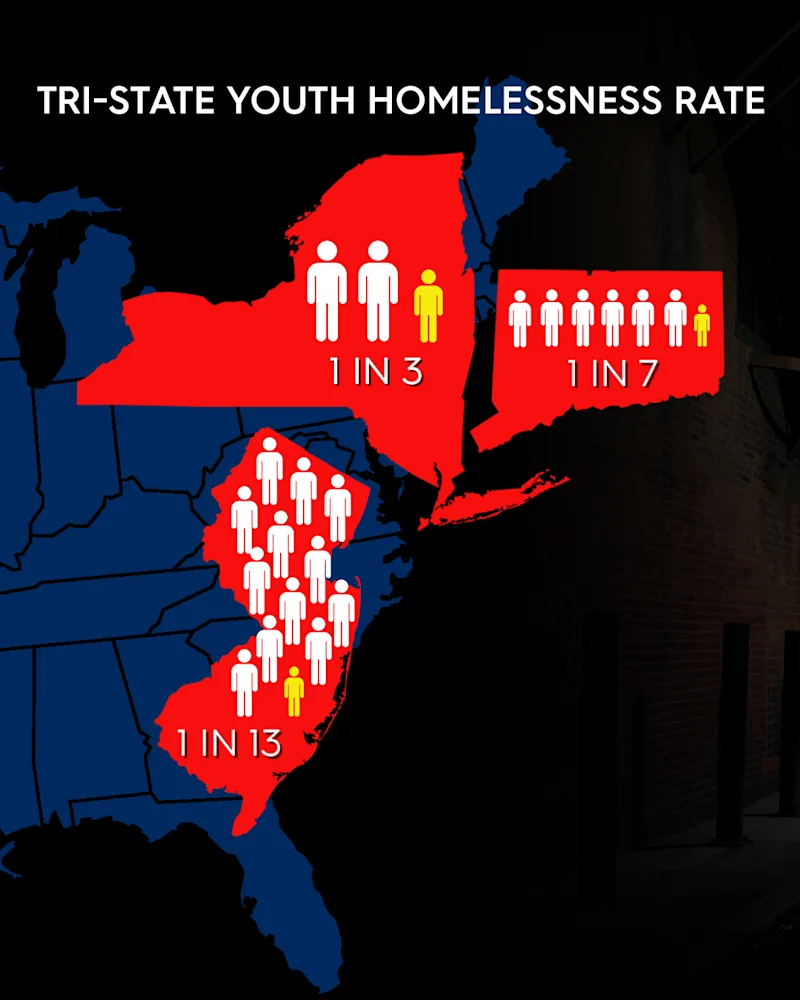
Nationwide, that number is closer to one in six, making New York’s share of homeless children one of the highest in the nation.
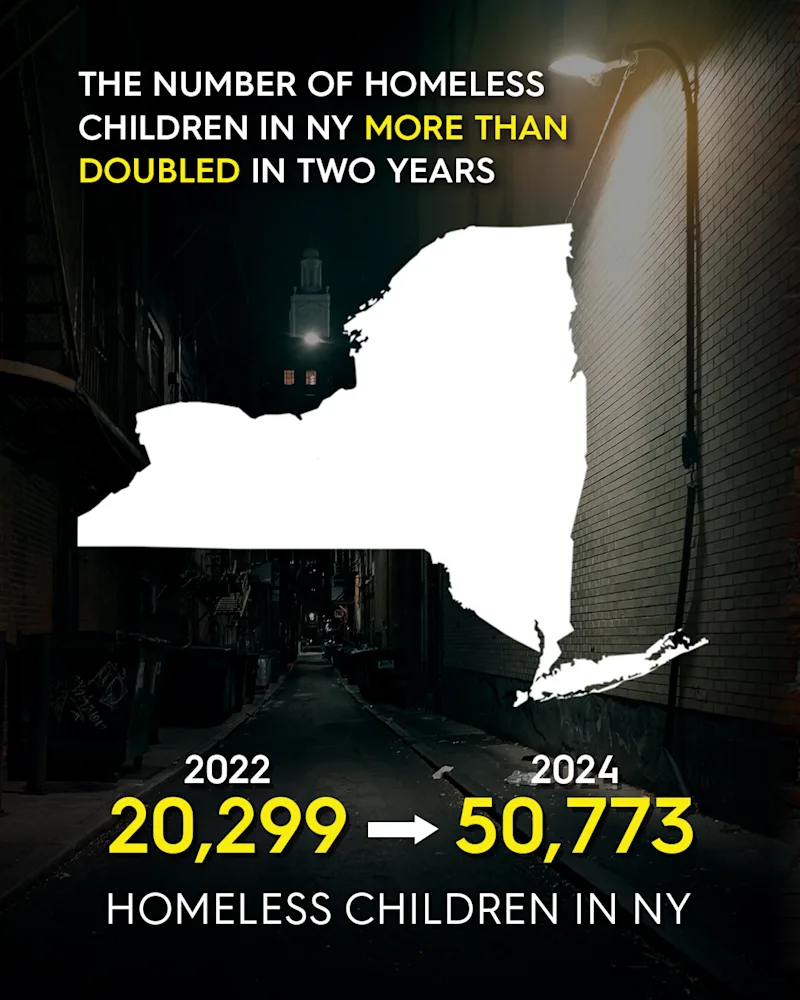
In just two years, the number of homeless children in New York more than doubled.
"You're seeing a higher percentage of children who are homeless - that's a real concern," DiNapoli said.
When asked where the state was falling short, DiNapoli replied that the affordability - or lack of affordability - of housing is certainly a piece of it.
"It says we are falling short, so it certainly means we need to put a greater priority on the families who are homeless," he said.
Meeting the governor: Policy vs. reality on the ground
After a year spent investigating the growing crisis of youth homelessness, Rosenblum sat down with New York Gov. Kathy Hochul to share the findings.
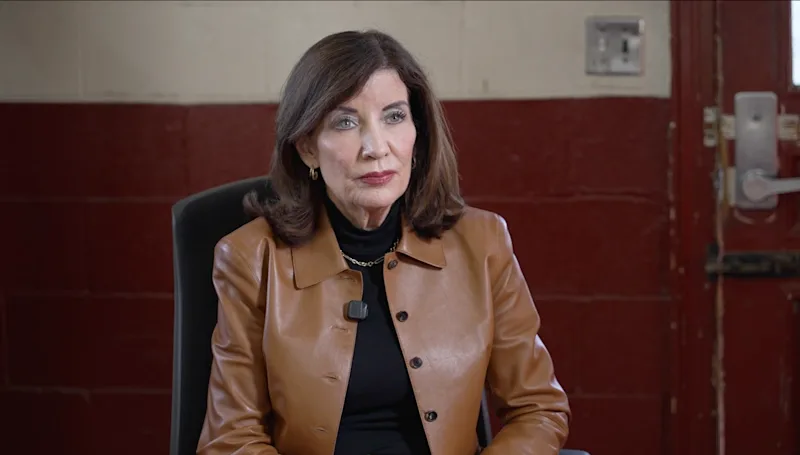
Pointing to root causes, like poverty and family rejection, Hochul outlined the state's response:
"There's many factors that go into this. Is it serious poverty? Is it that someone's been thrown out of their home? Sometimes LGBTQ kids or trans kids are rejected by their families. I've sat with young people who were told to leave their home because of how they want to live their life and was at odds with their parents. So I've invested a record amount of money into ways that can help people with this whole specter of mental health challenges. It's not just that alone. It's supportive housing; it's also -they are missing an education. We have a holistic approach to keep our young people from the streets."
Asked about delivering on the state's 2031 child poverty reduction promise, Hochul blamed federal cuts for adding headwinds, but maintained that the goal remains within reach.
"I'm an ambitious person. When I set a goal, I achieve it."
To reach vulnerable youth who slip through the cracks, Hochul emphasized the need for a different approach:
"There are people who are not going to sign up and say, 'I'm homeless,'" she says. "What we are trying to do in New York is have a more seamless approach, so there's not one easy answer that says, 'We can solve it by doing this,' because I guarantee you, we would have."
Because even when young people find shelter, they can face another problem before they even graduate high school.
"When you turn 18, you have to leave a youth shelter, but you're still in high school," says Suffolk County Legislator Jason Richberg. "So if you turn 18 today - happy birthday - you're gonna have to go to an adult shelter on your own."
The Classroom Toll: Keeping Secrets and Missing Buses
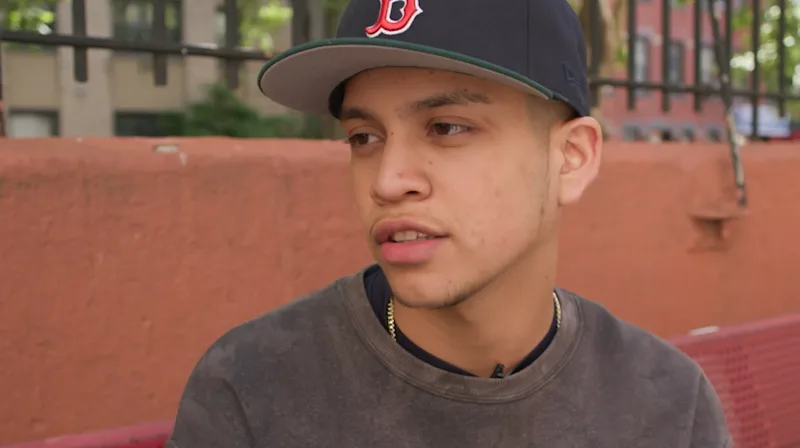
At 16, Alessandro Maldonado has already learned how to keep part of his life to himself. At school, he says most of his friends have no idea where he goes home at night.
He lives in a family shelter in Manhattan with his mother and younger brother. He was 11 when he first lost his home. His mom was pregnant at the time. A friend took them in, and what he remembers most was seeing his mother cry.
"The worst. It was just seeing my mom crying, to be honest. I felt really bad for her. For myself, to be honest, no, because wherever I go with my mom, I feel good," he says.
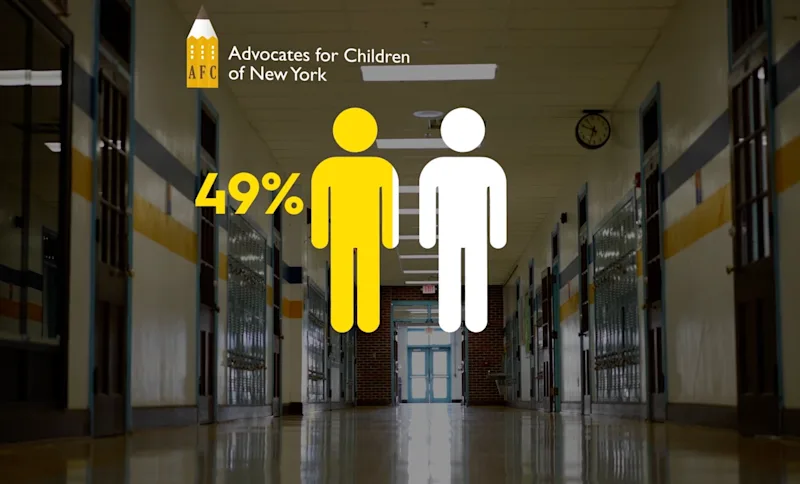
New data from Advocates for Children of New York shows:
Nearly half of NYC students experiencing homelessness were chronically absent last school year.
For children living in shelters, that number jumped to 63%.
Only 27% of shelter students in grades three through eight tested proficient in reading and math—less than half the rate of their permanently housed classmates.
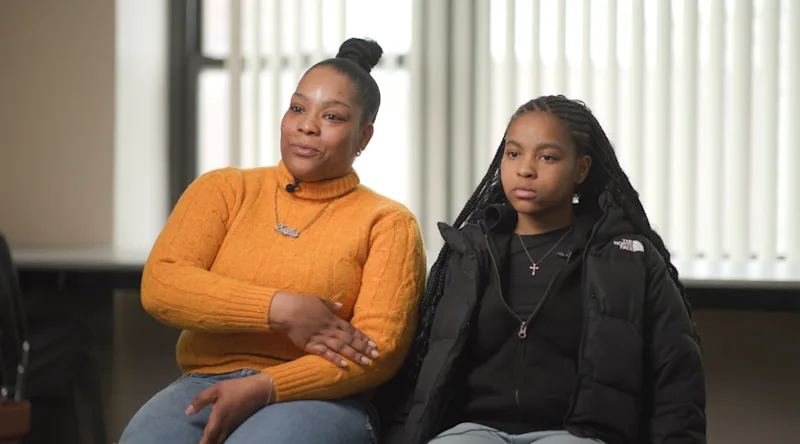
For 14-year-old Gianna Ephraim and her mom, Keela, navigating school from a White Plains family shelter meant impossible daily logistics, including buses that never came.
While they are now stably housed, for seven months they lived at the Coachman Family Center in White Plains while Gianna was still attending school in Port Chester.
"If I'm getting off at 11 p.m., there are no buses. So now I have to take a taxi or Uber, on top of that, go pick her up from where she is just to make it back before curfew so we're not locked out," Keela says.
Statistics show that of the more than 154,000 NYC students who experienced homelessness last year, more than half were not in shelters. There were more than 82,000 students doubling up and staying with other people after families lost housing or couldn't afford it.
Surviving the cycle: A childhood defined by eviction
After spending more than a year asking why so many children are losing their homes, Tara Rosenblum was emceeing at an event for Legal Services of the Hudson Valley when the crisis took center stage.
"How could so many young people not have a place to sleep at night, living in one of the wealthiest parts of the world?" she asked.
The event helped raise money to keep families across the tri-state from becoming homeless.
Ransom Wydner was there. He runs partnerships for Brooklyn-based technology company Ethena.
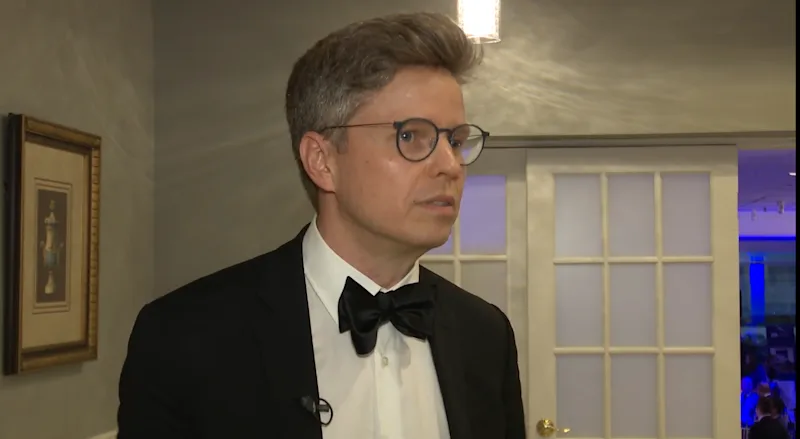
Wydner was just 2 years old the first time his family got evicted - the first of an estimated 50 moves that shaped his childhood.
"I used to have nightmares every night. Moving around so much, I didn't get to develop the kind of social skills that other kids did," he says.
Rachel Halperin, with Legal Services of the Hudson Valley, says shelters are currently at 100% capacity and warns that families losing their homes have nowhere to go, leaving children facing what Wydner calls "a dangerous and chaotic life."
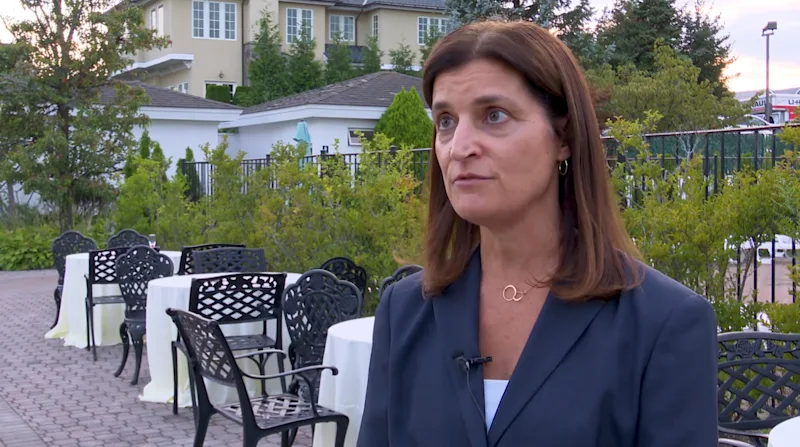
"It means more people and children not getting their basic necessities filled, so whether it's a roof over their head, or health care or education or safety - those things are all tied with poverty," says Halperin.
MORE STORIES:
Homeless Youth in Crisis: The Missing Voices
Homeless Youth In Crisis: Kids Without Keys
Homeless Youth in Crisis: Where to find help - a Turn To Tara guide


