Paterson mom living with lupus turns diagnosis into message of hope
May is Lupus Awareness Month, and one New Jersey mother is sharing her journey with the chronic illness to inspire others.
More Stories



May is Lupus Awareness Month, and one New Jersey mother is sharing her journey with the chronic illness to inspire others.
Cedeara Zabala, of Paterson, has been living with lupus since she was just 7 years old. The autoimmune disease causes the body’s immune system to attack healthy tissue, leading to inflammation, pain, and a wide range of symptoms. Often called an “invisible disease,” lupus can be difficult to diagnose and isn’t always apparent to others.
For Zabala, one of the most powerful moments in her journey has been hearing her baby’s heartbeat.
“I was told in my teenage years this could affect your ability to have children,” she said. “That was something I was apprehensive about… By the grace of God, I was able to conceive, and now I’m having a second one.”
Despite the joy, her pregnancies have come with added challenges. Lupus can cause severe pain and complications, and Zabala describes her symptoms as intense.
“My main symptom is muscle aches. It literally feels like someone pushed me into a pool of broken glass. It’s very painful,” she said.
An estimated 43,000 people in New Jersey are living with lupus. The disease disproportionately affects Black, Hispanic, and Asian women, due in part to differences in genetics, environment, and access to care.
Now, after 20 years of managing the condition, Zabala is a wife and soon-to-be mother of two. Her current pregnancy is considered high-risk, requiring close monitoring by specialists.
“We have to observe her more often to make sure her lupus remains stable and to control the risk of flares during the pregnancy,” said Dr. Andrew Haddad, a maternal-fetal medicine specialist at Hackensack University Medical Center. “That helps us avoid complications, like preeclampsia. She also had good control of her lupus in the six months before conception, which is a strong predictor for how the disease will behave during pregnancy.”
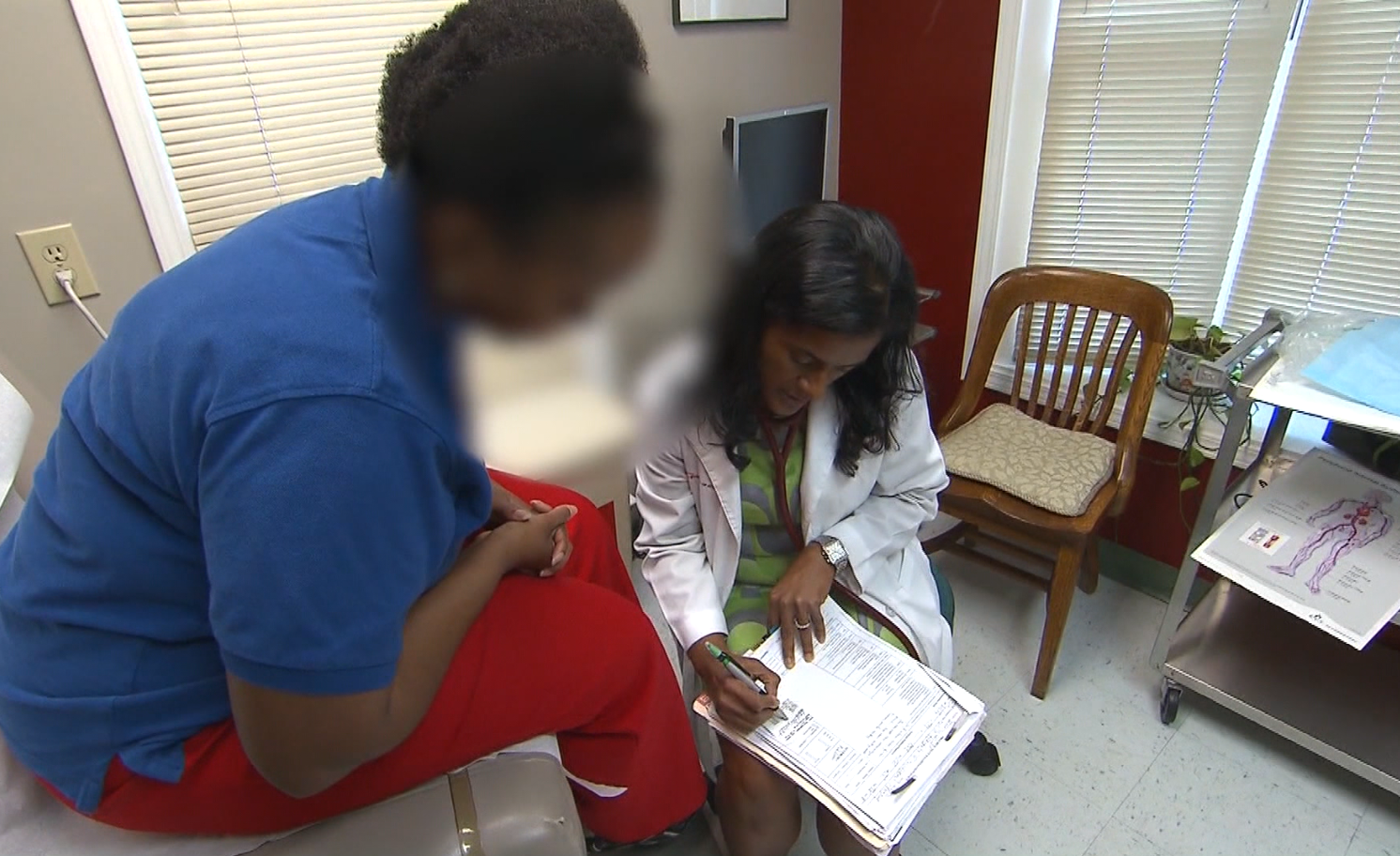
Zabala says her stability is largely due to care at Hackensack, including a transition program that guides patients from pediatric to adult lupus specialists, a period when treatment gaps are common.
“Transitioning from my adolescent doctors to my adult doctors, I had a flare,” she said. “So they let me stay another year to make it easier. They really treated me like family.”
Her rheumatologist, Dr. Anna Broder, said that collaboration between care teams is essential.
“It’s really a handoff where her pediatric doctor discussed her medical story with me, and we came up with a plan together,” Broder said.
As Zabala continues to manage her condition and prepare to welcome her second child, she hopes her story encourages understanding.
“Just have more empathy and a better understanding of people with diseases you can’t always see,” she said.